It is What It is Svg Design: A Designer's Real-World Review
When I first opened the files for It is What It is Svg Design, my immediate reaction wasn't about the trendiness of the phrase, but rather how this specific layout would translate from a flat vector into a tactile, stitched reality. As someone who spends hours troubleshooting stitch errors and testing fabric stability, I approach every new download with a mix of optimism and skepticism. This design isn't just another generic quote; it carries a distinct attitude that needs to be handled with precision if we want the finished product to look professional rather than amateurish.
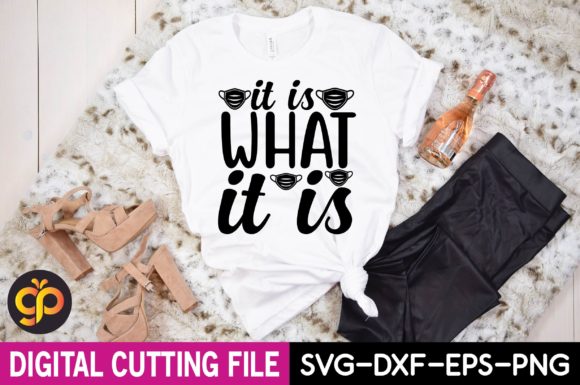
The core concept here is a face mask required shape sign and symbol design sticker template. While the description mentions print stickers and healthcare elements, my focus as an embroidery designer is on how this graphic behaves when converted into thread. The visual personality of It is What It is Svg Design suggests a bold, straightforward statement piece. It feels like something that belongs on a tote bag carried by a creative entrepreneur or perhaps a patch on a work apron in a busy boutique kitchen. The mood is practical yet slightly rebellious, which makes it a strong candidate for custom apparel where the wearer wants to make a clear point without saying too much.
From Digital Vector to Threaded Reality
The transition from a digital file to a physical garment is where many designs fail, but It is What It is Svg Design has a solid foundation. The provided SVG file vector is crucial here because it allows us to manipulate the curves and angles before locking them into satin stitches. When I imagine this on a heavy cotton canvas tote bag, the geometry holds up well. However, the complexity of the "face mask" iconography requires careful consideration of stitch density. If the fill stitch areas are too dense, the fabric might pucker, ruining the crisp lines of the symbol. Conversely, if the density is too low, the design will look thin and lack the impact needed for a commercial product.
I recently tested a similar concept on a sweatshirt embroidery project for a local client. The challenge with that project was the stretchy knit fabric. It is What It is Svg Design works best on stable fabrics like denim, twill, or thick cotton blends. On stretchy materials, the tension required to pull the threads tight can distort the circular elements of the mask symbol. For a small business owner looking to create branded merchandise, this design is perfect for hats or caps, provided you use a curved hoop and appropriate stabilizer. The clean lines of the symbol allow it to curve nicely around the front panel of a cap without losing its shape.
Real-Life Application: The Boutique Scenario
Let's look at a real-life scenario. Imagine you are an Etsy seller preparing inventory for the holiday season. You have decided to create a line of personalized gifts featuring community-focused themes. It is What It is Svg Design fits perfectly into this narrative. Picture a set of embroidered patches attached to linen tea towels or kitchen aprons. The message resonates with anyone working in service industries or healthcare, making it a thoughtful gift for teachers, nurses, or baristas.
In this context, the design acts as a badge of honor. When a customer receives a handmade product with this motif, they aren't just buying a towel; they are buying into a sentiment. The visual appeal of the design elevates the perceived value of the item. A simple white t-shirt becomes a statement piece when paired with this high-contrast embroidery. The clarity of the symbol ensures that even from a distance, the message is readable and the quality appears premium. This level of detail is essential for building trust with buyers who expect their custom apparel to withstand frequent washing and daily wear.
Navigating Technical Challenges
Despite its strengths, there are areas where It is What It is Svg Design requires caution. Small hoop sizes present a significant hurdle. If you attempt to stitch this design on a 4x4 inch frame, the details within the mask symbol might get lost or become muddy. The running stitch and satin stitch transitions need enough space to breathe. I recommend sticking to hoop sizes of 5x7 inches or larger for the best results, especially if you plan to include any surrounding text or decorative accents.
Another critical factor is fabric texture. Textured fabrics, such as bouclé or heavily woven linens, can obscure the fine lines of the design. Similarly, dark fabrics require a different approach to thread colors. While the design itself is monochromatic in nature, the choice of thread color against a black background demands high contrast. Using a standard black thread on black fabric would result in a nearly invisible design. Instead, opt for white or metallic threads to ensure the symbol pops. Always test your thread color contrast on scrap fabric before committing to the final product.
Detailed corners are another potential pitfall. The sharp angles in the mask icon need precise digitizing to avoid thread breaks or skipped stitches. If you are using a machine embroidery design that hasn't been optimized for these specific angles, you may encounter issues with the needle hitting the edge of the hooping area. Check the stitch density carefully. Dense stitch areas are prone to breaking needles, so ensuring the underlay stitches are sufficient is vital for a smooth run.
Practical Notes for the Maker
Before you start stitching, there are several steps every experienced crafter should take. First, always inspect small details in your editing software. Zoom in to ensure the paths are closed and there are no stray points that could cause the machine to hunt for the next stitch. Second, review the DXF file to confirm compatibility with your specific embroidery machine. While the product description lists 1 SVG file vector, 1 DXF file, and 1 PNG file, you must verify that the DXF version matches your machine's format requirements.
Testing the design in black and white mockups is a smart move to visualize the contrast before cutting fabric. Compare light and dark fabric backgrounds to see how the design shifts visually. Use proper stabilizer—cut-away stabilizers are generally best for maintaining the structure of the design over time, especially for items like aprons or tote bags that will be washed frequently. Confirm whether the design works for both personal and commercial projects by reviewing the license terms included with the download. Many designers assume a purchase includes commercial rights, but this is not always the case.
Finally, consider the longevity of the finished product. Embroidered patches and custom apparel are investments. If the stitch density is too high, the fabric may tear after repeated washes. If it is too low, the design will fade quickly. Striking the right balance ensures that your handmade product remains a favorite for years. Whether you are creating holiday embroidery pieces or designing assets for a craft business, paying attention to these technical nuances separates a good product from a great one.
It is What It is Svg Design offers a versatile opportunity for creators looking to add meaning and style to their projects. By understanding its limitations and leveraging its bold aesthetic, you can produce high-quality goods that resonate with customers. From nursery decor to boutique branding, this design has the potential to shine when handled with the care and expertise it deserves.