Can't Touch This-Kitchen Svg Sublimation Review
As a designer who has spent years navigating the messy, rewarding world of embroidery and digital graphics, I know that the difference between a "nice looking" file and a truly usable asset lies in how it translates from screen to fabric. When I first laid eyes on Can't Touch This-Kitchen Svg Sublimation, my immediate reaction wasn't about the catchy phrase or the trendy font choice; it was about the practical application. Is this design going to hold up on a busy kitchen towel? Will it look professional on a custom apron for a small business owner? Or is it just another generic graphic destined to get lost in the noise of Etsy listings?
This review cuts through the marketing fluff. We are looking at Can't Touch This-Kitchen Svg Sublimation not as a static image, but as a functional component of a finished product. Whether you are an experienced machine embroidery artist or a crafter dipping your toes into digital print templates, understanding the nuance of this design is crucial before you commit to a production run.
The First Impression: Mood and Layout
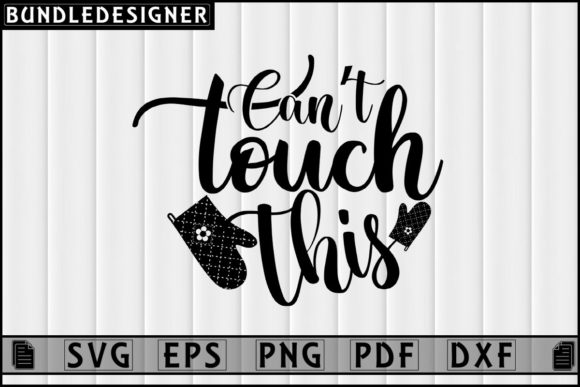
The visual personality of Can't Touch This-Kitchen Svg Sublimation screams confidence. The typography suggests a bold, slightly humorous attitude that fits perfectly within the chaotic energy of a home kitchen or a bustling bakery. It feels like something you would want on the front of a heavy-duty apron or a cozy sweatshirt after a long day of cooking. The layout is clean, which is a relief because many designs in the Print Templates category suffer from cluttered details that disappear when stitched.
However, the mood shifts depending on where you place it. On a crisp white tea towel, it looks fresh and modern. On a dark denim tote bag, it demands high-contrast thread colors to maintain its impact. The design's strength lies in its simplicity; it doesn't rely on intricate shading or complex gradients that often fail in embroidery. Instead, it leans on strong lines and clear shapes, making it a versatile candidate for various handmade products.
Real-World Application: From Screen to Stitch
Let's talk about a real scenario. Imagine you are preparing for a holiday craft fair. You have a stack of canvas tote bags and some thick cotton towels ready for customization. You decide to use Can't Touch This-Kitchen Svg Sublimation to create a set of matching gifts. The design's vector nature means it scales beautifully, allowing you to adjust the size without losing the integrity of the letters.
When I simulated the stitching process mentally, I considered the different stitch types required. For the main text, a satin stitch would provide that glossy, premium look that customers expect from boutique branding. However, if the design includes any decorative elements or outlines, a fill stitch might be necessary to ensure full coverage. The key here is balance. If the stitch density is too high, the fabric could pucker, especially on thinner materials like standard t-shirt cotton. But on a sturdy canvas or a heavy-weight kitchen towel, the design should sit flat and proud.
I also thought about the versatility for commercial embroidery projects. A small shop owner selling personalized gifts could easily integrate this into their inventory. It works well as a patch for a cap, adding a touch of personality to a uniform. It could even be adapted for baby embroidery, perhaps on a soft onesie with a gentle color palette, turning a tough statement into something sweet and ironic. The adaptability of Can't Touch This-Kitchen Svg Sublimation makes it a valuable design asset for anyone looking to expand their product line.
Where Caution is Required
While the design is robust, it is not without its pitfalls. There are specific situations where Can't Touch This-Kitchen Svg Sublimation might struggle. Small hoop sizes are the first red flag. If you attempt to stitch this on a very small item, like a baby bib or a tiny hat cuff, the lettering might become cramped. The curves of the letters could lose definition, resulting in a muddy appearance rather than a crisp logo.
Textured fabrics present another challenge. If you are working with a heavily textured fabric like bouclé or a rough linen, the stabilizer needs to be chosen carefully. Without proper support, the tension of the thread could distort the fabric, pulling the design out of alignment. Similarly, stretchy fabrics require a stabilizer that can counteract the movement of the material during stitching. If you skip this step, the final product will look unprofessional, no matter how good the design file is.
Dense stitch areas are also worth noting. If the design features tight kerning (spacing between letters) or overlapping elements, it might create a thick layer of thread that is uncomfortable to wear or difficult to press. Always check the stitch density before running a full batch. Additionally, if you are planning to use this for commercial embroidery on dark fabrics, ensure you have enough underlay stitches to prevent the background color from showing through the top thread.
Visual Appeal and Customer Trust
In the world of handmade products, presentation is everything. A well-executed design builds customer trust. When a buyer sees Can't Touch This-Kitchen Svg Sublimation stitched perfectly on a finished product, they immediately associate that quality with your brand. It signals that you care about the details. Conversely, a sloppy stitch job can ruin the best-laid plans.
The design's ability to convey a message clearly is vital for giftability. A kitchen-themed item with a witty slogan is a popular gift choice for weddings, housewarmings, and holidays. The humor in the phrase adds a personal touch that mass-produced items often lack. This emotional connection drives engagement and encourages repeat business. By using a design that resonates with the target audience, you increase the perceived value of your handmade product.
Practical Designer Notes for Success
Before you hit the start button on your machine, there are several steps you must take to ensure success. First, always test the design on scrap fabric. This allows you to gauge the thread tension and see how the colors interact with the material. Check thread color contrast rigorously; a light thread on a light background will vanish, while a dark thread on a dark background might need a bright outline to pop.
Review the stitch density and confirm the hoop size matches your intended project dimensions. Inspect small details closely to ensure they haven't merged together during digitization. It is also wise to test the design in black and white mockups to verify that the shape holds up without relying on color. Compare the results on both light and dark fabric backgrounds to see how the underlay affects the final look.
Don't forget the basics: use proper stabilizer for the specific fabric texture you are working with. Verify whether the license terms allow for both personal and commercial projects if you plan to sell the finished items. Confirm the file formats provided—PDF, EPS, SVG, PNG, DXF—are compatible with your software and machine. If the description mentions these files but lacks specific stitch counts or machine compatibility notes, reach out to the creator or do your own due diligence.
Ultimately, Can't Touch This-Kitchen Svg Sublimation offers a solid foundation for creative entrepreneurs and hobbyists alike. It strikes a balance between style and functionality, making it a smart addition to your collection of digital embroidery files. Just remember that the magic happens in the execution. With careful planning and attention to detail, this design can elevate your craft business and delight your customers.