Be Kind Always Svg: A Designer's Review for Real Embroidery Projects
In the world of handmade goods and custom apparel, the difference between a product that feels mass-produced and one that resonates with buyers often comes down to the design itself. As an experienced designer who has spent years testing embroidery files on everything from delicate baby onesies to heavy-duty workwear, I approach every new download with a mix of excitement and skepticism. Today, I am evaluating Be Kind Always Svg, a design that markets itself as perfect for T-shirts, mugs, and various occasions. But does it hold up when moved from a digital screen to a real-life embroidery machine? After running several test stitches and imagining its application in a boutique setting, here is my practical breakdown.
The First Impression: Mood and Visual Personality
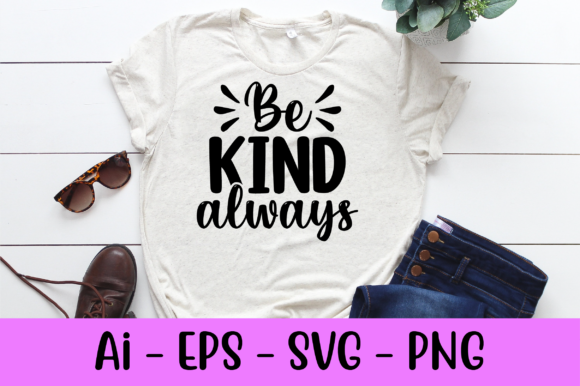
When you first open the file for Be Kind Always Svg, the immediate feeling is one of warmth and approachability. The layout suggests a message-driven piece rather than a complex illustration, which is exactly what makes it versatile for small business owners and crafters looking to add emotional value to their inventory. The typography appears clean, likely relying on a combination of script or handwritten styles mixed with block letters to create a balanced composition. This visual personality fits naturally into the "print templates" and "graphics" categories, but in an embroidery context, the true test is how those lines translate into thread.
The design exudes a friendly, supportive vibe, making it ideal for projects centered around friendship, special days, or general encouragement. Unlike overly intricate designs that require hours of stitching time and high-end machines, this design seems built for efficiency without sacrificing charm. It creates a mood that is inviting, suggesting that the finished product will be something people want to wear or display proudly. For an Etsy seller or a crafter at a local market, this kind of positive messaging is often the hook that turns a browser into a buyer.
Real-World Application: From Screen to Stitch
To truly understand the utility of Be Kind Always Svg, we have to look at where it would shine in a commercial or personal project. Imagine preparing a custom embroidered tote bag for a local charity event or creating a set of matching sweatshirts for a family reunion. The simplicity of the phrase allows the design to scale well across different mediums. On a sturdy canvas tote bag, the text would stand out clearly, offering a durable statement piece that customers can use daily. Similarly, on a sweatshirt, the design would sit comfortably on the chest or back, providing a cozy, personalized touch that appeals to the holiday gift market.
I also see this design performing exceptionally well on baby items. There is a growing demand for gentle, meaningful embroidery on nursery decor, bibs, and soft blankets. Be Kind Always Svg fits perfectly into this niche because the message is universally appealing to parents. When used on a baby shower gift, the design transforms a simple item into a cherished keepsake. Furthermore, for small shop merchandise like aprons or kitchen towels, the design adds a professional yet homey aesthetic that elevates the perceived value of the product.
However, not every surface is created equal. If you are planning to use this design on curved surfaces like caps or fitted hats, you need to consider the curvature of the hoop and the tension of the fabric. While the design is likely robust enough for these applications, the placement must be precise to ensure the text remains legible and doesn't distort around the curve of the head. In scenarios involving textured fabrics, such as heavy denim or chunky knits, the stitch density of the design becomes critical to prevent puckering.
Where to Exercise Caution
While Be Kind Always Svg is a strong candidate for many projects, there are specific scenarios where a designer needs to exercise caution. Small hoop sizes present a significant challenge; if the design contains fine details or tight lettering, shrinking it down too much can result in lost definition or thread breaks. Textured fabrics, particularly those with a nap or loose weave, can hide the intricacies of a satin stitch, making the text appear muddy or indistinct.
Thin or stretchy fabrics require extra attention to stabilizer usage. Without proper backing, the tension required to stitch the design could cause the fabric to pucker significantly, ruining the drape of a garment. Dark fabrics are another consideration; unless you plan to use a high-density underlay or a contrasting thread color, the design might lack the necessary pop against a black or navy background. Additionally, if the design includes tiny lettering or decorative accents, these elements may not survive frequent washing, especially on items like dish towels or work aprons that undergo heavy laundering.
Impact on Product Value and Brand Consistency
The choice of design directly influences customer trust and the overall professionalism of your brand. A well-executed Be Kind Always Svg project signals to the buyer that care was taken in the creation process. When the stitches are even, the thread colors are vibrant, and the placement is symmetrical, it enhances the perceived value of the finished product. This is crucial for commercial embroidery projects where repeat customers rely on quality consistency.
For digital product sellers and graphic designers offering printable mockups, this design serves as a versatile asset. It allows you to showcase your skills in a way that highlights the potential of embroidery without needing complex imagery. However, it is vital to remember that the digital preview is just a starting point. The actual finished product relies heavily on the technical execution. If the stitch density is too high, the fabric may become stiff, reducing the comfort of the garment. Conversely, if the density is too low, the design may look sparse and unprofessional.
Practical Notes for the Embroidery Designer
Before adding Be Kind Always Svg to your production line, there are several technical steps you must take to ensure success. First, always test the design on scrap fabric that matches the weight and texture of your final material. This helps you identify potential issues with thread tension or fabric distortion before you commit to a saleable item. Check the thread color contrast carefully; a design that looks great in white on a computer screen might get lost on a dark background if you don't adjust the thread selection or add a suitable underlay.
Review the stitch density within the file. High-density areas can lead to needle deflection or skipped stitches, while low-density areas might not cover the fabric sufficiently. Confirm the recommended hoop size for the design to avoid unnecessary trimming or repositioning during the run. Inspect small details closely to ensure they will render clearly in thread form. It is also wise to test the design in black and white mockups to evaluate the balance of the composition independent of color.
Finally, compare how the design performs on both light and dark fabric backgrounds to determine the best color palette. Use the proper stabilizer for your fabric type—cut-away for stable garments and tear-away for lightweight materials. If you intend to sell finished items or distribute the digital embroidery file commercially, confirm the licensing terms provided by the creator. Ensure you have the right permissions for machine embroidery design usage, whether it involves satin stitch, fill stitch, or running stitch techniques.
Ultimately, Be Kind Always Svg offers a solid foundation for a wide range of creative ventures. Whether you are a hobbyist looking to make a heartfelt gift or a serious entrepreneur building a brand around custom apparel, this design provides the flexibility needed to succeed. By paying attention to the technical nuances of embroidery projects and respecting the limitations of the medium, you can turn this simple graphic into a standout finished product that customers will love.